Scott 3200A Tailwheel – Fully Rebuilt: Durable Tailwheel Steering and Landing Gear Solution
Scott 3200A Tailwheel – Fully Rebuilt: Durable Tailwheel Steering and Landing Gear Solution
Blog Article
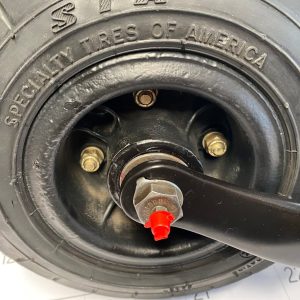
The Scott 3200A Tailwheel – Fully Rebuilt gives operators an alternative to an unknown used assembly when the rebuild process, component condition, and package contents are documented clearly. The quality of the rebuild depends on workmanship, parts selection, dimensional condition, technical procedures, final adjustment, and available documentation.
A Scott 3200A Tailwheel Assembly can contribute to controlled taxiing, parking, takeoff alignment, landing rollout, and maneuvering in confined ramp areas. A Scott Tailwheel Assembly can develop wear through repeated taxi cycles, landings, vibration, dirt exposure, moisture, poor lubrication, incorrect alignment, or unsuitable adjustment.
An Aircraft Tailwheel Assembly experiences vertical loads, side forces, vibration, steering input, and occasional impact during routine service. The General Aviation Tailwheel should receive maintenance based on actual use, operating surface, contamination exposure, and observed condition.
Whether operators are sourcing a Heavy-Duty Aircraft Tailwheel, Tailwheel Aircraft Parts, or Aircraft Steering Tailwheel, condition and documentation should remain central.
Why Aircraft Owners Choose the Scott 3200A
The assembly can respond to normal steering input while allowing broader movement when its internal mechanism releases appropriately. Poor ground handling can result from issues outside the tailwheel, including incorrect chain tension, fatigued springs, loose Aircraft Steering Tailwheel mounting hardware, bent tail springs, or misalignment.
Maintaining a Scott 3200A Tailwheel Assembly
The assembly is intended to withstand repeated ground operation when installed, adjusted, lubricated, and serviced correctly. Detailed documentation gives buyers a stronger basis for comparing available Scott 3200A Tailwheel Assemblies.
Scott Tailwheel Assembly Service Quality
Final adjustment and functional testing should confirm that the Scott Tailwheel Assembly operates consistently. A written work summary helps explain how the seller defines the assembly’s condition.
Aircraft Tailwheel Assembly Operation
Tailwheel condition influences taxi tracking, turning ability, maneuverability, and pilot workload. Weak, broken, or mismatched steering springs may reduce directional response or create irregular control.
General Aviation Tailwheel Maintenance
Grass, gravel, and dirt can introduce moisture, abrasive particles, vegetation, and debris into moving areas. A Scott 3200A may suit several aircraft types, but broad fitment should never be assumed from category alone.
Aircraft Tailwheel Steering Performance
The assembly remains part of a complete ground-handling system that also includes rudder control, brakes, main gear, and pilot technique. Abnormal wear may indicate misalignment, bearing problems, repeated shimmy, poor adjustment, or use on abrasive surfaces.
Taildragger Ground Handling
Mechanical wear, poor alignment, or unsuitable steering adjustment can increase pilot workload. Responsible operation can extend Taildragger Tailwheel service life.
Aviation Tailwheel System Inspection
A problem in one area can create symptoms elsewhere in the installation. Correct setup supports consistent Aviation Tailwheel System operation.
Tailwheel Steering Assembly Performance
A Tailwheel Steering Assembly converts rudder-related input into directional movement during taxiing and low-speed ground operations. Steering arms should be inspected for bending, cracking, corrosion, elongated holes, and wear at attachment points.
Aircraft Ground Handling Tailwheel
An Aircraft Ground Handling Tailwheel supports controlled movement during taxi, parking, towing, hangar positioning, and ramp maneuvering. Towing should use appropriate equipment and procedures that avoid overloading steering arms, chains, springs, forks, or mounting structures.
Scott 3200 Series Tailwheel Heritage
Historical popularity does not remove the need for exact aircraft compatibility and installation verification. Different Scott 3200 variants, later manufacturing versions, replacement parts, and modified assemblies may exist.
Choosing a Heavy-Duty Aircraft Tailwheel
A larger or heavier-looking assembly is not automatically appropriate for every aircraft. Mud, dust, gravel, and water can shorten inspection and lubrication intervals.
Choosing Tailwheel Aircraft Parts
Visually similar hardware can differ in dimensions, material, strength, finish, or mechanical fit. Systematic inspection supports dependable long-term performance.
Maintaining Aircraft Steering Components
Consistent steering can reduce unnecessary brake use and improve maneuverability in confined locations. Ground loops, abrupt turns, crosswind corrections, rough surfaces, and towing events can place side loads on the steering system.
Buying a Replacement Aircraft Tailwheel
The rebuilt Scott 3200A should be compared with both the existing installation and the intended aircraft configuration. Rebuild documentation should accompany the assembly when available.
Choosing General Aviation Landing Gear Parts
General Aviation Landing Gear Parts include tailwheels, nose gear components, main gear assemblies, wheels, tires, brakes, bearings, springs, steering parts, and mounting hardware. Sellers should avoid unsupported claims of universal compatibility, guaranteed serviceability, or immediate installation readiness.
Scott 3200A Pre-Purchase Inspection
The buyer should request enough information for a qualified maintenance professional to review the assembly before purchase.
- Verify the tailwheel model, mounting dimensions, steering-arm arrangement, wheel size, and package contents through suitable references.
- Confirm whether retained components passed inspection and whether replacement parts were appropriate for the assembly.
- Require packaging that protects the wheel, fork, steering arms, mounting surfaces, fittings, and loose hardware from impact and movement.
Scott 3200A Tailwheel Installation Guide
Mounting surfaces, steering springs, chains, hardware, and attachments should be reviewed before the rebuilt unit is installed. Any unexpected behavior should be corrected before normal aircraft operation.
Controlled taxi testing may help confirm steering response, centering, ground tracking, brake interaction, and shimmy resistance.
Scott Tailwheel Maintenance Guide
Long-term maintenance includes lubrication, tire inspection, bearing review, steering-link checks, cleaning, fastener inspection, spring evaluation, and monitoring of ground-handling performance. Early attention supports reliable long-term operation.
Cleaning methods should avoid forcing dirt deeper into bearings, bushings, and internal steering components.
Buying a Fully Rebuilt Scott Tailwheel
For the correct installation, the rebuilt assembly can support directional steering, controlled swiveling, predictable taxiing, and long-term serviceability. Careful technical and commercial evaluation can reduce compatibility problems, repeated repairs, project delays, and unexpected costs.
Whether buyers need an Aircraft Tailwheel, Taildragger Tailwheel, Aviation Tailwheel System, or Tailwheel Steering Assembly, qualified inspection remains essential. With careful selection and attention to the complete tailwheel system, owners can reduce shimmy, binding, irregular steering, looseness, and premature wear.
Report this page